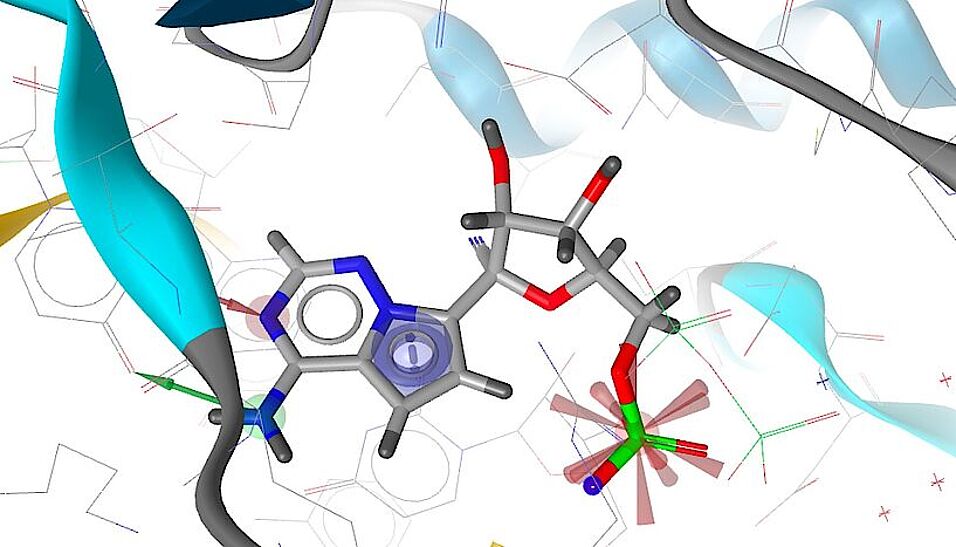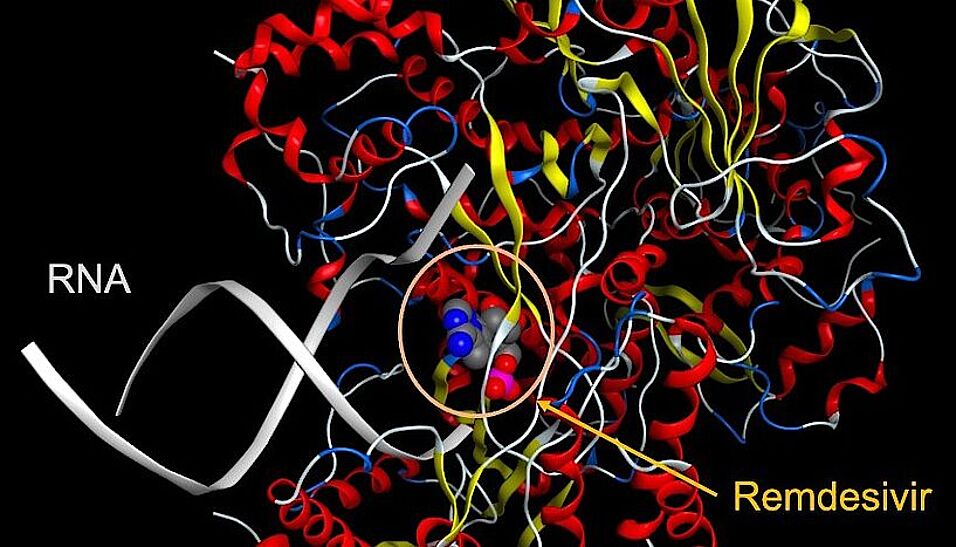
We probably have to wait years for a new drug against COVID-19. Meanwhile, scientists are examining known drugs for their effectiveness against the virus. Gerhard Ecker, Dean of the Faculty of Life Sciences, explains the advantages of "repurposing".
Please find the full interview with Gerhard Ecker at the uni:view magazine website (in german). Please follow this link to find a Google Translate version of the interview.
uni:view: Mr. Ecker, why is it so difficult to treat COVID-19 with drugs?
Gerhard Ecker: Viruses are very special because they have to infect a host cell to reproduce. The cell is then reprogrammed so that it invests all of its energy in the production of new virus particles. With an understanding of these processes, there are possible points of attack for drugs: The virus is docked to its host cell, for example, via a so-called "spike protein" on the surface of the virus, which interacts with an ACE protein on the surface of the lung cells. After entering the cell, proteins such as the RNA-dependent RNA polymerase are released, which reprogram the host cell. These proteins are the target of many well-known antiviral drugs. The flu agent Tamiflu, for example, prevents the virus particles from being removed from the cell. However, Tamiflu is only effective in the first few days of infection, when most people don't even notice COVID-19.
Please see "Related Links" underneath to continue reading.