

Mission Statement
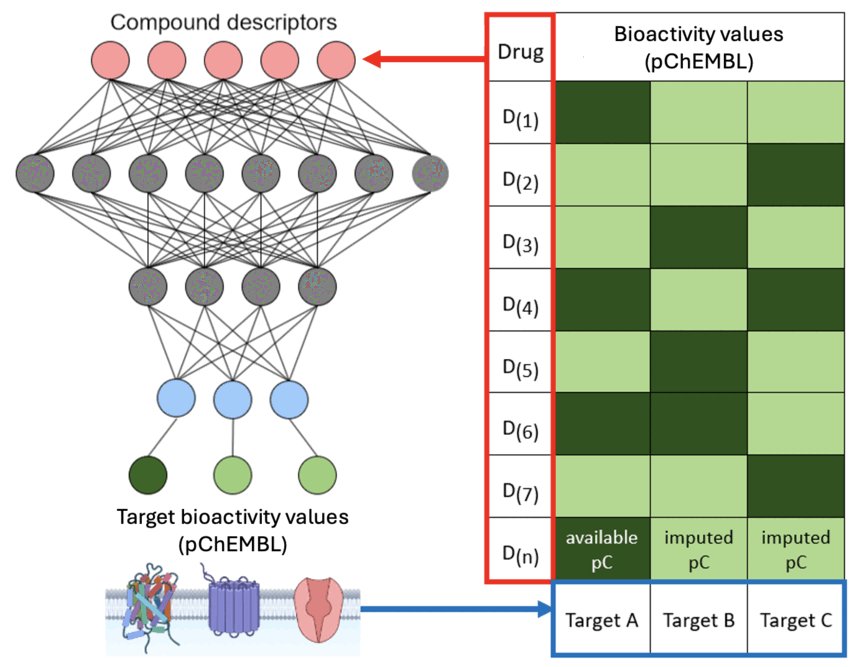
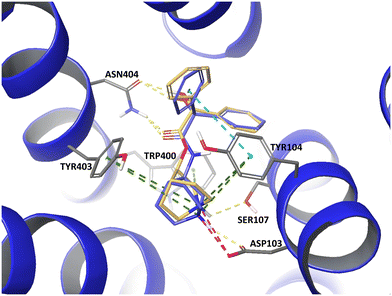
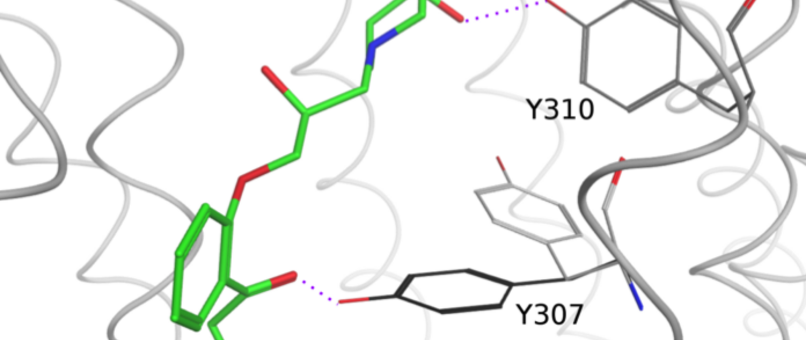
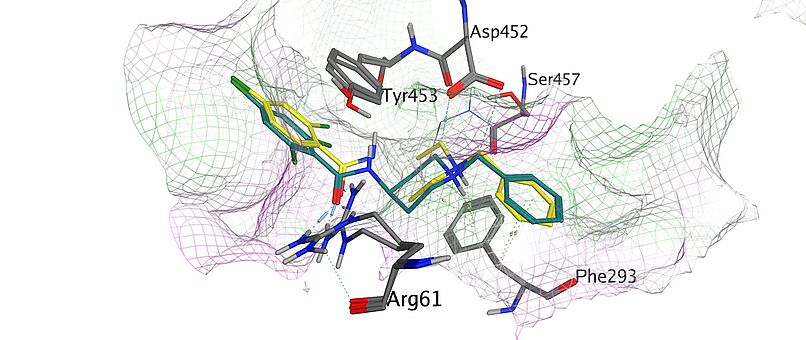
Following a holistic pharmacoinformatic approach we combine structural modeling of proteins, structure-based drug design, chemometric and in silico chemogenomic methods, statistical modeling and machine learning approaches to develop predictive computational tools for drug discovery and development. Hereby, the main focus of our work comprise interaction of ligands with transmembrane transport proteins and prediction of toxicity. The validation and optimisation of the obtained in silico models by strong links to experimental groups is an integral part of these activities.
Furthermore, we aim at developing tools for in vitro to in vivo translation in the area of adverse drug event prediction, thereby leveraging integrated life science data. Research activities are complemented by strong educational activities, outlined in the doctoral program MolTag and in EUROPIN, a European PhD Program in Pharmacoinformatics.
Vienna Summer School on Drug Design 2027
September 12-17, 2027
The Vienna Summer School on Drug Design focuses on students and professionals who have a clear interest in learning the basics as well as latest developments in Pharmacoinformatics. The program provides an overview on main approaches and techniques used in computational drug design, ranging from protein modeling, docking, pharmacophore based screening, up to machine learning and data science. During the afternoon sessions the participants will have the opportunity to obtain hands-on training via computational exercises.
Stay tuned – our conference website is being prepared and will be launched soon. In the meantime, you can take a look at the 2025 website to get an idea of what to expect: Summer School on Drug Design 2025